
Reviews
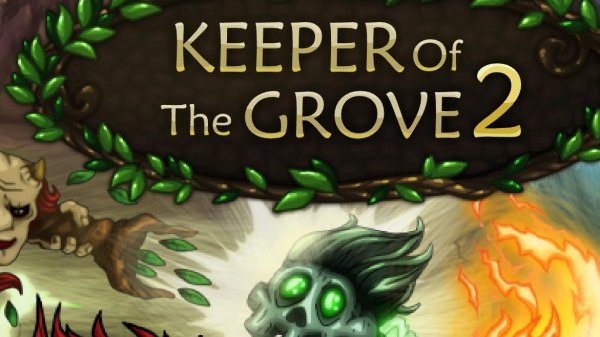
Woodland Protector 2 excels at making strategic thinking accessible. The level designs encourage experimentation without punishing failure, and the upgrade system offers meaningful choices. The family-friendly presentation ensures it can be enjoyed by players of all ages, while the later stages provide enough depth to satisfy genre veterans. A solid choice for anyone looking for a relaxing yet mentally engaging experience.
Description
Core Defense Mechanics
In this sequel, the central loop revolves around positioning defensive units along predetermined pathways. Each unit possesses a distinct function, such as slowing movement or dealing area damage. Players earn currency by successfully stopping advancing groups, which can then be spent on upgrading existing units or unlocking new types. The challenge lies in balancing immediate needs with long-term investments, as later waves often introduce tougher opponents that require specialized counters.
Level Design Philosophy
Each stage offers a unique layout with branching routes, narrow chokepoints, and open areas that force different placement strategies. Early maps introduce basic concepts like line-of-sight and range, while later ones mix multiple enemy types with varying speeds and resistances. This gradual complexity ensures that newcomers can learn at their own pace, while veterans find plenty of room to optimize their setups. The environment itself provides visual cues, such as darker paths indicating stronger foes.
Resource Economy & Upgrades
Managing the in-game currency is a key skill. Players must decide between purchasing a new defensive unit or reinforcing an existing one. Upgrades might increase damage, extend range, or add secondary effects like poison or freeze. The system rewards careful planning: overspending early can leave you vulnerable later, while being too conservative may allow early waves to break through. A pause feature lets players assess the battlefield without time pressure, making the experience accessible to those who prefer a slower pace.
Visual & Audio Atmosphere
The art style uses bright, saturated colors with friendly character designs. Trees, flowers, and small animals populate the background, creating a calming setting. Sound effects are gentle but clear: each attack has a distinct audio cue, and a subtle musical score shifts intensity as threats approach. The overall presentation avoids any harsh or frightening elements, ensuring it remains suitable for younger players. Menus are straightforward, with large icons and text that is easy to read.
Progression & Replayability
As players advance, they unlock additional unit types and upgrade paths. Some levels offer optional objectives, such as finishing with a certain number of units or without losing any resources. These challenges encourage revisiting earlier stages with new strategies. The game does not punish failure harshly; instead, it provides feedback on what went wrong, allowing players to adjust their approach. This design fosters a learning mindset rather than frustration.




03 Comments
Sign in to comment
You must be logged in before posting a review or rating.
No account? Create one
No comments yet. Be the first to comment!